
What are Ultraprocessed Foods?
Maybe you have heard that processed foods are bad for your health, and are linked to obesity, or cancer, or any number of things. Or perhaps someone has suggested removing processed foods as a good step towards a healthier lifestyle. But what does “processed food” actually mean? If it feels confusing and like everyone explains it a little differently, you are not imagining things! In this blog post we’ll go back to the basics to offer as much clarity as possible – what is an ultraprocessed food, why they can be detrimental to your health, and a few concrete steps you can take moving forward to reduce your consumption of these food products.
What are processed foods?
One of the reasons the conversation surrounding processed and ultraprocessed foods can be so confusing is that there was no standardized definition of a “processed food” until recently. In the late 1980s through the early 2000s, there was a lot of research emerging that linked changes in industrial food processing with the obesity epidemic and many chronic illnesses.
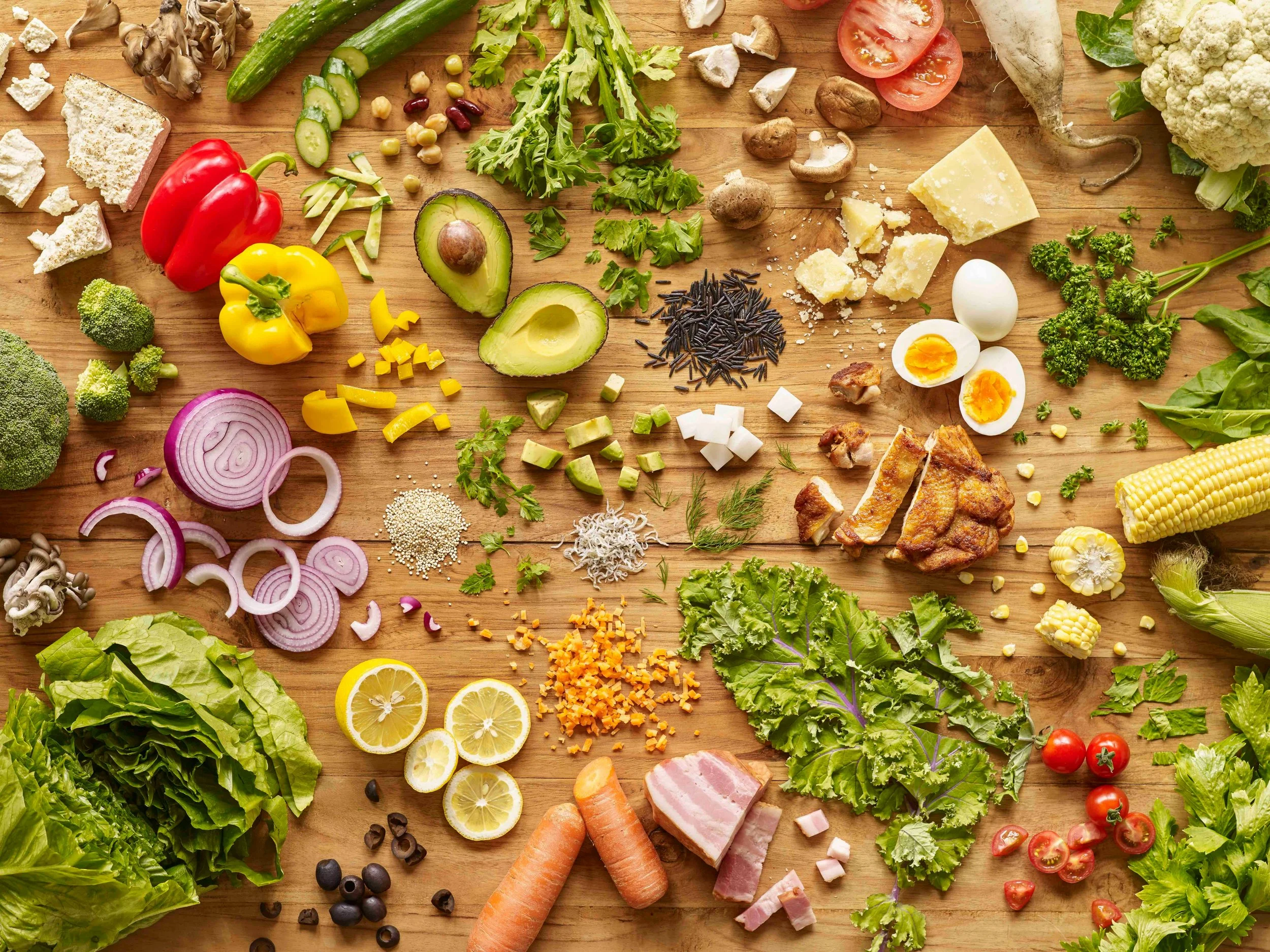
In 2014, the NOVA system was developed to classify foods into different categories according to the amount they have been processed. Unprocessed or minimally processed foods are those that have not been changed in any way (such as whole carrots or potatoes), or have only been modified slightly to prepare them for consumption (for example, grinding oats into oat flour, freezing peas). These foods are the foundation of a healthy and nutritious diet.
Processed foods are those unprocessed or minimally processed foods that have been combined with at least one or 2 other culinary ingredients that have been derived from an unprocessed food (e.g., butter from milk, olive oil from olives) or extracted from nature (e.g., salt). Examples of processed foods include canned vegetables, artisan breads or cheeses, or fruit in syrup. These foods can still be compatible with a healthy diet when consumed in small quantities.
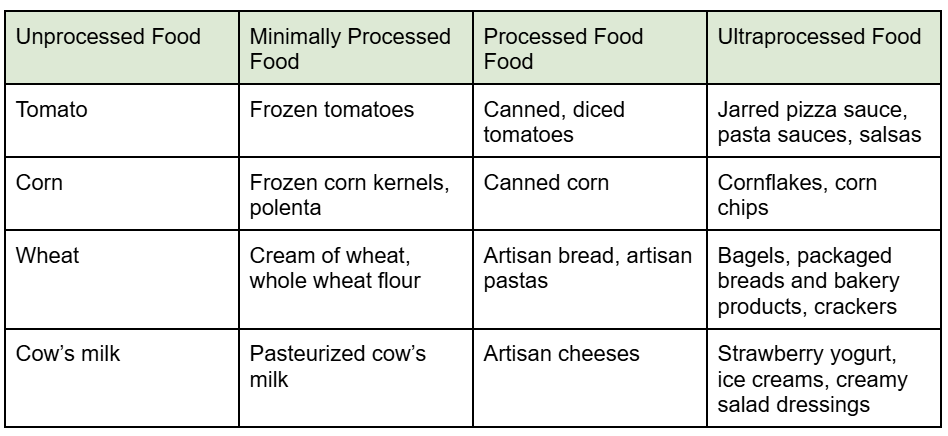
Finally, ultraprocessed foods are those which have been substantially modified in multiple ways to extend shelf life, or improve flavor or texture. They will often include ingredients such as hydrogenated oils, protein isolates, modified starches, emulsifiers, and thickeners, and other additives. These foods have greater shelf-stability, are highly palatable, and are much cheaper to produce (and thus highly profitable); and they therefore dominate our food landscape. Examples include chips, sugary drinks and beverages, packaged bakery products, yogurts, and ice creams.
Why should I limit ultraprocessed foods?
Ultraprocessed foods dominate our food landscape – a recent study showed that over 73% of the food supply in the US is considered ultraprocessed. This means that people in the States get much of their calories from ultraprocessed foods; one study showed adults get 53% of their calories from ultraprocessed foods, and children and adolescents 61.9%.
This is a major problem, as research shows that consumption of high amounts of ultraprocessed foods is linked to 32 different conditions, including Type 2 Diabetes, obesity, cardiovascular disease, anxiety and depression, metabolic disease, asthma, and many cancers. The World Health Organization classifies processed meats (such as hot dogs, jerky, and deli meats) as a Group 1 carcinogen to humans due to the relationship with colorectal cancer. Additionally, consumption of ultraprocessed foods can disrupt our gut microbiome, which over time can contribute to other conditions such as inflammatory bowel diseases.
What are my next steps for removing ultraprocessed foods?
Hopefully it is clear that a balanced, healthy diet emphasizes consumption of unprocessed or minimally processed foods, but we all know the hyperpalatability, pervasiveness, and convenience of ultraprocessed foods can make it difficult to remove them from our diet. Here are a few discrete tips for reducing your reliance on ultraprocessed foods:
Read the ingredients list
Reading the nutrition label is one of your greatest tools for identifying ultraprocessed foods! A few general rules of thumb would be to check the ingredients list for unfamiliar terms (such as carboxymethylcellulose, guar gum, polysorbate 80, etc.) and long lists of ingredients (>5 ingredients). Much of the food available is processed, but not all processed foods are created equal. Using the definitions of processed foods and ultraprocessed foods described above, you will be able to read the nutrition and ingredient labels to find better, less processed options (e.g., artisan whole grain bread instead of white bread, plain yogurt instead of sugary yogurts).Shop the perimeter of the grocery store
Most of the foods that are in their whole form or have been minimally processed tend to be around the outside edges of the store – think the produce section, cuts of meats and fish, dairy, and frozen fruits and vegetables. Spending your time in these sections will help minimize the amount of time you spend around unhealthy, ultraprocessed foods, such as chips, crackers, cereals, and sweetened beverages.Drink water
When people think about processed foods, they often forget to assess their beverage intake. Sweetened beverages like sodas, sports drinks, kombuchas, alcoholic drinks, and lattes are typically ultraprocessed, and may contain other unhealthy ingredients like artificial sweeteners. Try switching out your sweetened beverages for unsweetened ones, like water (sparkling or still), coffee, or tea.Batch cook
If you are not as reliant on ultra-processed foods, you will likely need to cook more to satisfy your nutritional needs. To save time, it may be helpful to cook in bulk. For example, preparing enough chicken or rice over the weekend to use in different recipes throughout the week. Or if you are preparing a soup that freezes well, double it and put half into the freezer. This can help save you time during the hectic work weeks when it would be tempting to grab a pre-packaged freezer meal, and it can also cut down costs at the grocery store!Keep healthy snacks on hand
If you are hungry and looking for something to eat, you are more likely to eat what is convenient and easily available to you. Try to stock your kitchen with convenient, minimally processed foods that you can eat on-the-go, such as overnight oats, edamame, raw veggies and hummus or guacamole, hard boiled eggs, or nuts and seeds.
We hope this helps you get started removing ultra-processed foods from your diet!